NHSA Blog
AAA—Is the Monthly Payment Worth It?
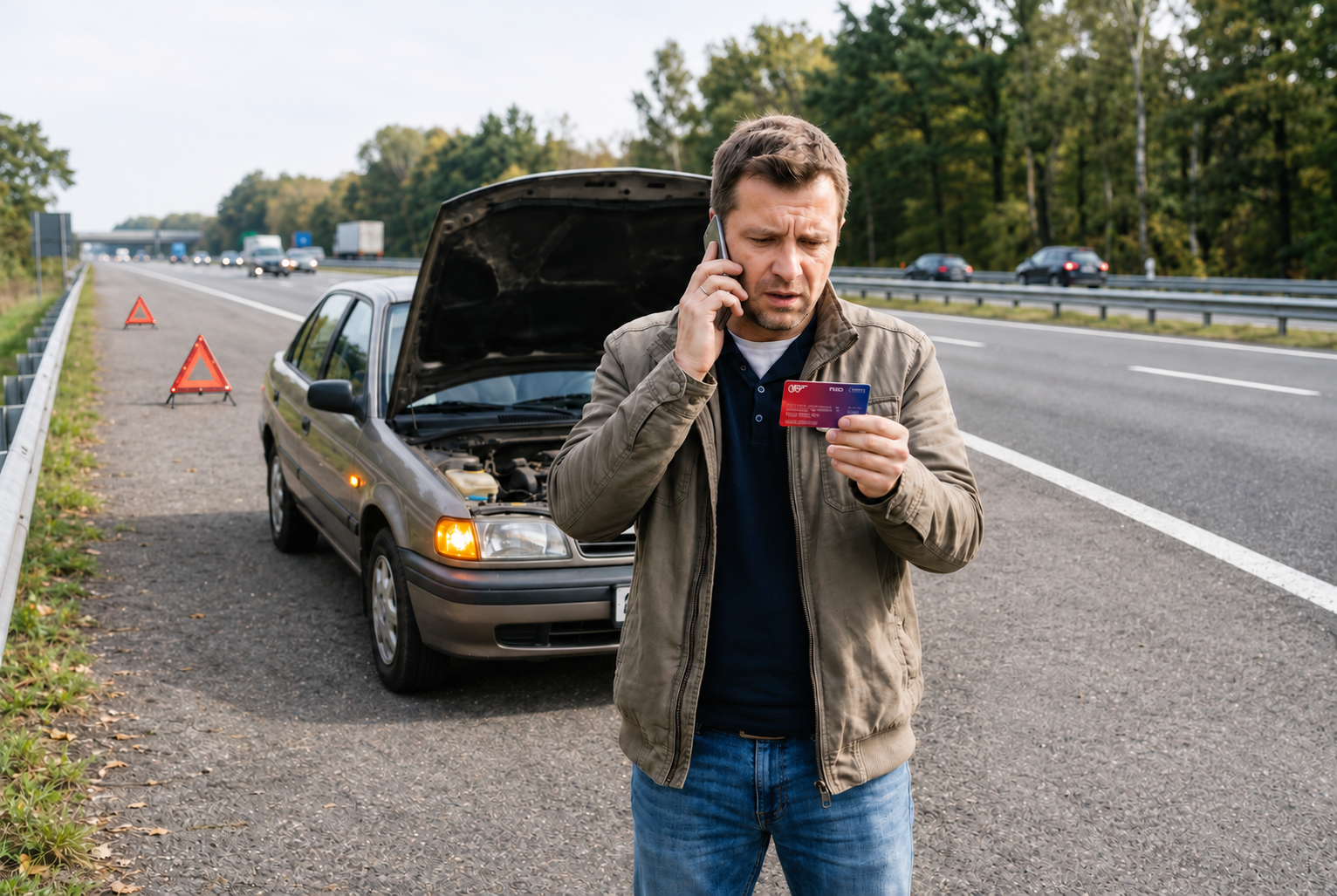
“Oh no, not again! What is this going to cost me?”
Whether you're a new driver or have been driving for decades, car trouble can happen when you least expect it. A dead battery, flat tire, locked-in keys, or unexpected breakdown can leave you stranded, and sometimes facing an expensive repair or tow bill. That's where AAA comes in. But is paying for a membership worth it if you don't use it very often? Considering your options and planning ahead will leave you ready if you ever do need to call for help.
Note: Although this post focuses on AAA, there are numerious other nationwide motor clubs such as Good Sam Roadside Assistance and Better World Club.
What Does the American Automobile Association (AAA) Actually Offer?
AAA is best known for its 24/7 roadside assistance, but membership can offer more than just a tow truck. Depending on your membership level and local AAA club, benefits may include:
- Towing: Help getting your vehicle to a repair shop or another covered destination.
- Battery assistance: A jump-start or mobile battery service, depending on availability.
- Flat tire help: Assistance changing a flat tire if you have a usable spare.
- Lockout service: Help when you accidentally lock your keys inside your vehicle.
- Fuel delivery: Emergency fuel if you run out while driving.
- Member discounts: Savings on hotels, rental cars, restaurants, attractions, and other purchases.
- Travel services: Trip-planning resources and travel assistance.
AAA offers different membership levels, so always check your local club's benefit chart before signing up. The biggest differences are usually towing distance and additional benefits.
The Pros: Why Drivers Keep AAA
- Peace of mind — Knowing you have someone to call if your car breaks down can be especially reassuring for new drivers, people who travel alone, families with multiple drivers, and anyone who regularly drives long distances.
- Potential savings — A single long-distance tow or multiple service calls can cost more than an entire year of membership.
- Help beyond your own driveway — Depending on the membership rules, roadside assistance generally follows the member rather than the vehicle. This can be useful if you drive different cars or need help while riding with someone else.
- Extra discounts — If you travel, rent cars, stay in hotels, or visit attractions, membership discounts may provide additional value.
The Cons: When AAA May Not Be Worth It
- You may rarely use it — If your car is newer, already includes roadside assistance, or your auto insurance provides adequate coverage, you could be paying twice for similar services.
- Membership isn't unlimited — Roadside calls are subject to annual limits, towing mileage restrictions, and other conditions. Additional service calls or services beyond your plan's limits may cost extra.
- It isn't always immediate — AAA uses independent roadside service providers, so wait times can vary depending on your location, weather, traffic, and how busy local providers are.
- The price varies — AAA membership costs depend on your region, membership level, promotions, and household coverage. A higher-level plan may be more than you need if you mostly drive short distances.
Before You Sign Up, Compare Your Options
Asking yourself the following questions can help you make a decision on if AAA is worth it for you: How far do I usually drive from home? Do I travel frequently or drive in rural areas? How many vehicles or drivers need coverage? How many towing miles are included? How many service calls are allowed each year? Are there waiting periods, extra fees, or restrictions? Do I already have roadside assistance through an extended warranty, insurance coverage, or another membership? If so, what does my plan already include?
Compare the annual cost rather than focusing only on the monthly payment. A small monthly charge can add up over several years.
At NHSA, our goal is to provide online driver education courses that equip all drivers with what they need to be safe drivers. Whether you are a teen seeking a learner’s permit, or an adult driver seeking a basic driver safety course, check us out online to see what courses are available in your state!
What is the Purpose of Agricultural Inspection Stations?
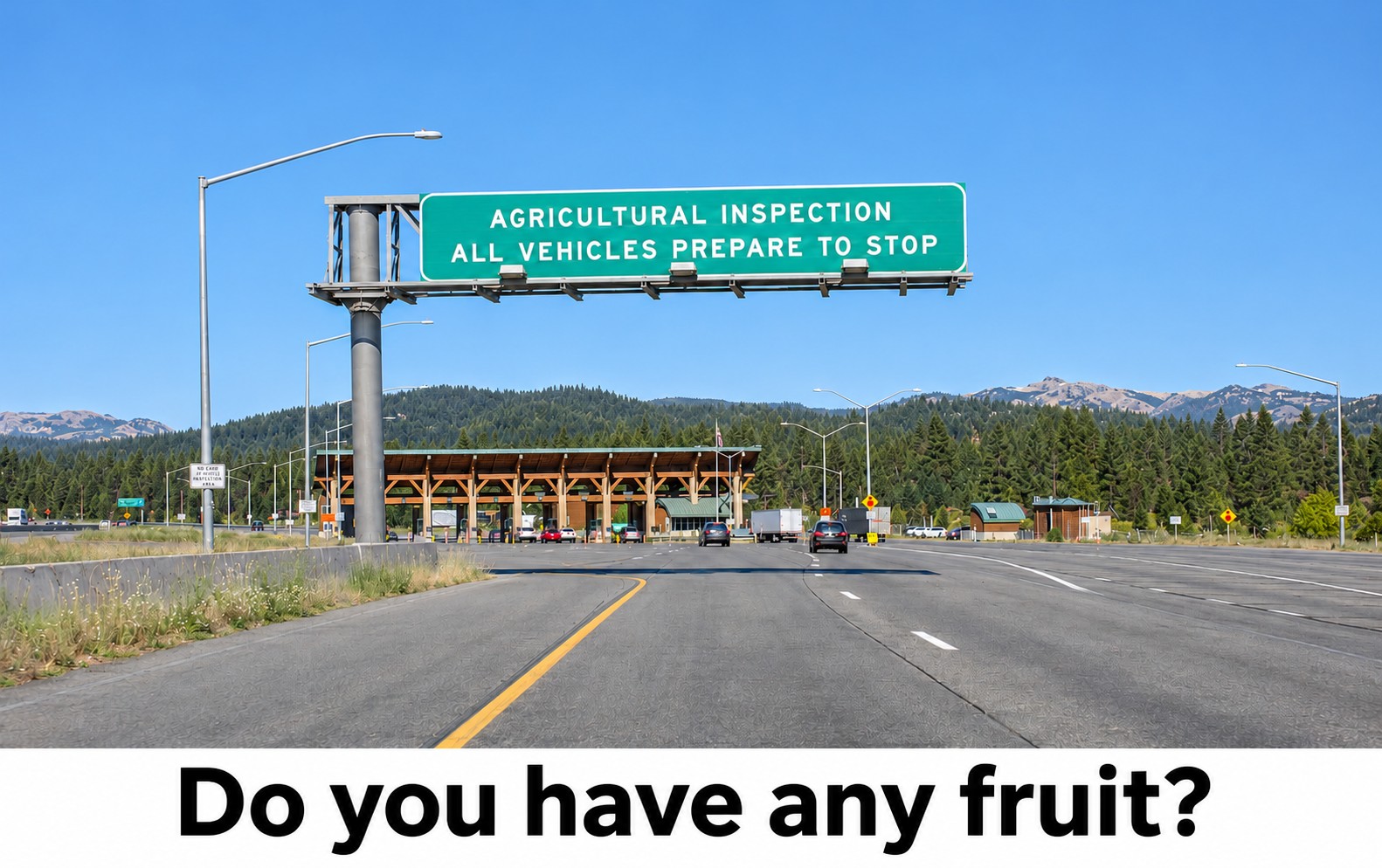
You’re driving into California when traffic slows toward a row of booths beneath a canopy. It looks like a toll plaza, and you instinctively reach for your wallet. But the person at the window wants to know whether you’re carrying fruits, vegetables or plants. What? You’ve reached an agricultural inspection station.
California and Florida use these checkpoints to protect agriculture and natural resources from pests and diseases traveling with people and cargo. A piece of fruit, a potted plant, or a load of firewood can carry unwanted insects or disease. The stations help intercept those threats before they spread.
California
In California, passenger cars are part of the screening process. The state’s Border Protection Stations screen commercial and private vehicles entering California. As you approach, slow down, follow lane signs and stop unless an inspector directs you through. Being in a personal car does not automatically exempt you. California Department of Food and Agriculture
What should you do? Be ready to explain where you’ve traveled and declare fruits, vegetables, plants and other agricultural materials, including hay and firewood. Keep those items accessible. Inspectors assess risk using factors such as your route, vehicle type and the season; some vehicles receive a brief screening, while others need a closer inspection. Restricted or infested items may be denied entry.
California’s stations serve entering traffic; the state does not operate corresponding agricultural checkpoints for vehicles leaving.
Florida
In Florida, the stopping requirement depends largely on your vehicle and load. Stations operate along major highways at entry and exit points. Their work includes preventing plant and animal pests and diseases, checking agricultural shipments and protecting the food supply from unsafe or improperly stored products.
Florida directs trucks, rental moving trucks, vans and nonexempt trailers to stop, along with vehicles carrying agricultural, horticultural or livestock products. An empty moving truck still belongs in the inspection lane. Ordinary private passenger cars without trailers generally may bypass. Travel trailers, camping vehicles, van conversions and motor homes are also listed as exempt. Pickups may bypass only when they carry no agricultural, horticultural or livestock products and officers have visible access to the entire cargo area. A car towing a utility trailer should stop; the travel-trailer exemption is different. Follow posted directions and officers’ signals.
What should you do? If you must stop in Florida, enter the inspection area, identify your cargo and have relevant shipping or animal-health documents ready. Drivers of nonexempt vehicles must stop even when they believe their load has nothing agricultural in it.
Summary
For travelers, the practical difference is straightforward: approaching a California station in a family car means preparing for screening; approaching a Florida station means knowing whether your vehicle and cargo require a stop. In either state, watch the signs, slow down and follow the inspector’s directions.
At NHSA, our goal is to provide online driver education courses that equip all drivers with what they need to be safe drivers. Whether you are a teen seeking a learner’s permit, or an adult driver seeking a basic driver safety course, check us out online to see what courses are available in your state!
Wax On, Wax Off—Tips to Keep Your Car Looking New
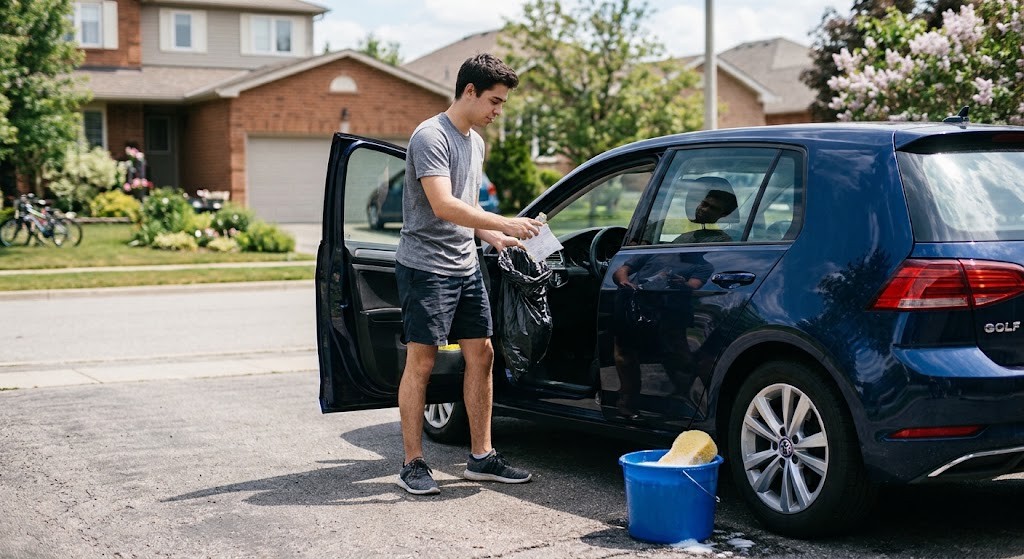
For some of us our car can be a part of our identity. It may even feel like we spend more time in our car than at home. We drive to and from work or school, we take trips, we shop and eat, and we may even have to take naps in our car. Even if we only use our car to move around town, we want to keep it looking and smelling new for as long as possible. You don't need to spend an entire weekend detailing your car every week. Many car owners find that a few minutes of cleaning regularly is easier than one huge cleanup later. Here are some tips you can follow.
Keep the Outside Looking Sharp
Wash it regularly — Dirt, road salt, bird droppings, bugs, and other debris can build up on your paint. Regular washing helps keep these contaminants from sitting on the finish. In areas with snow and road salt, paying attention to the underside of the vehicle is especially important because salt and moisture can contribute to rust.
Use the right products — Dish soap and household cleaners may seem convenient, but they aren't made for automotive finishes. Use a car-wash soap and soft microfiber towels or wash mitts instead. Rinse away loose dirt before wiping the paint, and rinse your wash mitt often so you aren't dragging grit across the surface.
Don't forget the wheels — Wheels, tires, and wheel wells collect some of the dirtiest material on the road. Give them their own cleaning tools rather than using the same mitt or sponge you use on the paint.
Protect the finish — Wax or another paint-protection product can help maintain the shine and provide protection from the elements. How often you need it depends on the product, weather, and how much your vehicle is exposed to the road.
Treat the Inside Like Your Home
Clean regularly — Keep small trash bags in the car, and regularly remove trash, food, bottles, and anything else that doesn't belong in the car. Shake out the floor mats, and vacuum the seats, carpets, floor mats, and the areas underneath the seats. Those hidden areas are easy to overlook, and they're common places for crumbs and dirt to collect.
Use automotive interior cleaners that are appropriate for your seats and surfaces - A clean microfiber cloth works well for dashboards, doors, and other surfaces. Be careful with touchscreens and don't spray cleaner directly onto them.
Don't forget the small stuff — Cup holders, door pockets, steering wheels, shifters, buttons, and the area around the center console can collect a surprising amount of dirt. A small detailing brush or soft brush can help reach those tight spaces.
Keep your Car Smelling Fresh
Be proactive — Don't leave food, gym clothes, wet towels, or other odor-producing items in the vehicle. Clean up spills as soon as possible and let damp carpets and upholstery dry completely. Moisture that stays trapped inside the vehicle can contribute to musty smells and mold. It's good to keep in mind, while air fresheners can make a car smell nice, they don't solve the source of a bad odor.
Do regular maintenance — If your car suddenly develops a strange smell that cleaning doesn't fix, it may mean your vehicle needs some maintenance. A clogged A/C drain, water leak, dirty cabin air filter, or another mechanical issue could be responsible.
At NHSA, our goal is to provide online driver education courses that equip all drivers with what they need to be safe drivers. Whether you are a teen seeking a learner’s permit, or an adult driver seeking a basic driver safety course, check us out online to see what courses are available in your state!
Parking Lot Strategies: Finding Your Space
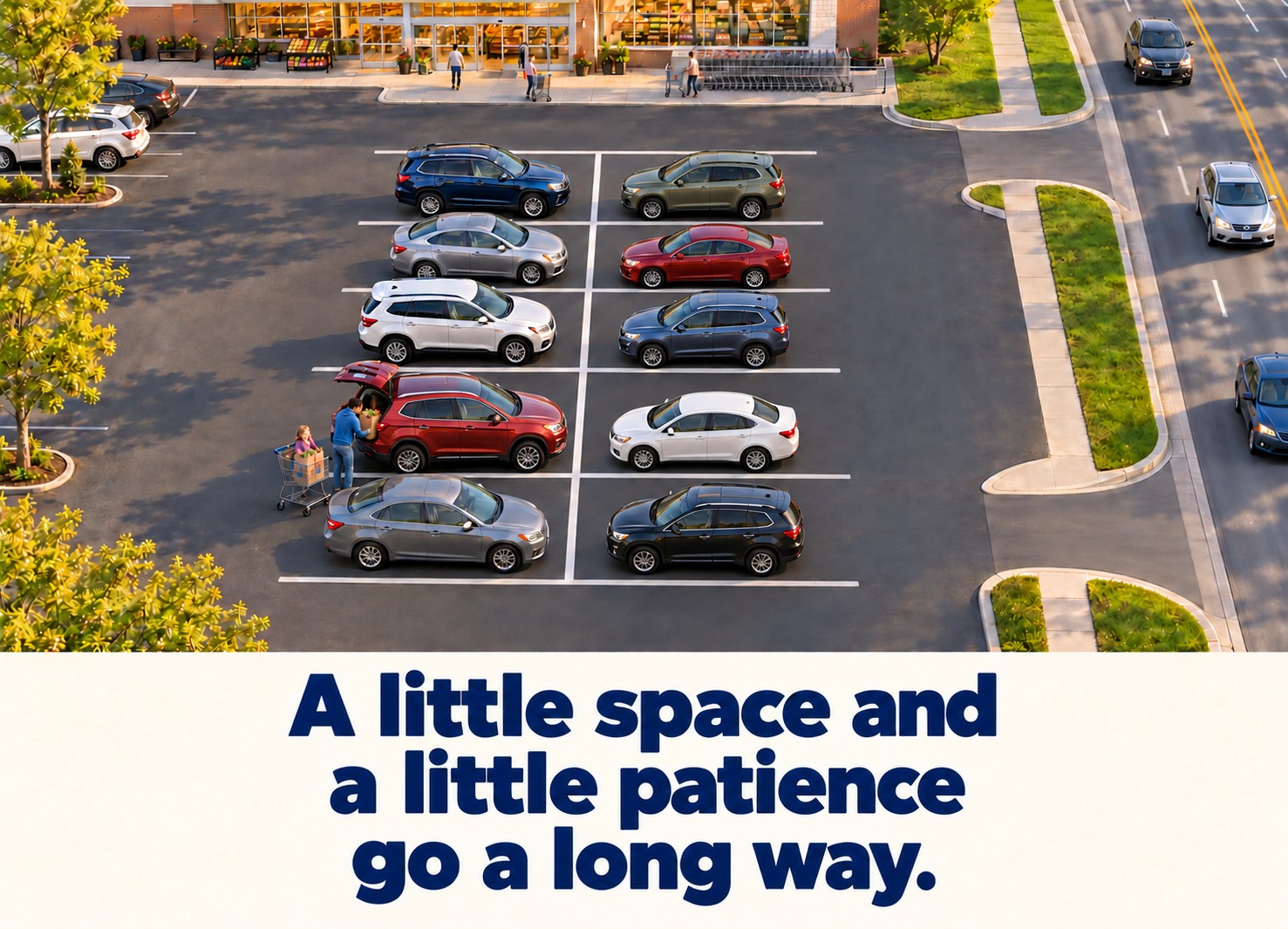
Parking lots come in all shapes and sizes. Sometimes you have hundreds of spots to choose from. Other times you may actually have to wait until a spot becomes available. Here are some strategies to help with parking—and keep a quick trip to the store from becoming a competitive sport.
Choosing the Right Spot
The best parking spot isn’t always the one closest to the entrance. Look for a space that gives you good visibility, enough room to maneuver, and a safe route to your destination. A slightly longer walk may be worth avoiding a tight squeeze between two oversized pickups.
When the lot is crowded, resist circling endlessly in a hunt for the perfect space. True, you may have to walk a bit farther, but that might only take 30 seconds, as compared with the time spent circling or waiting for someone to leave their parking space. This keeps you from looking like a stalker, slowly creeping along behind a shopper and their groceries to snatch their space when they leave.
Spacing Your Vehicle in the Spot
- Enter slowly and aim to center your vehicle between the lines, leaving room on both sides for doors to open. Straighten your wheels and check your position before getting out. If you’re crooked or too close to a line, take a moment to adjust.
- Pull fully into the space, but keep your vehicle from extending over a sidewalk or into the space ahead. A bumper hanging over a walkway can create an obstacle for someone using a wheelchair, pushing a stroller, or simply trying to pass.
If you do a pull-through into an empty space ahead, think about access to your trunk or cargo area. Leave enough room within your space to open it and load your purchases, even if another vehicle parks in the spot behind you. That empty space may be occupied when you return, and groceries are much easier to load without having to try to lean over your neighbors bumper.
Before opening your door, check for people, moving vehicles, and neighboring cars. Hold the door securely, especially in wind. Your door should never introduce itself to someone else’s paint. Please also train your children and remind any passengers to be careful with their doors. No one likes to find mystery dings in their vehicle’s paint.
Backing In: Paying the Time Up Front
Backing into a space may make leaving quicker, but the time spent backing in can offset the time saved when pulling out. You’re doing the maneuvering when you arrive instead of when you leave, so don’t count on much overall time savings. Think of it as paying your parking bill in advance. If you choose to back in, take your time, watch your surroundings, and leave room to access your cargo area.
Parking Lot Etiquette
* Be alert: Drive slowly and stay alert. Parking lots combine backing vehicles, distracted shoppers, loose carts, and children who may be difficult to see. Put your phone away and expect movement from unexpected places, such as from between parked vehicles.
* Watch the signs: Follow posted signs, directional arrows, and space markings. Leave accessible spaces, loading zones, and other reserved areas for their intended users.
* Use your signals: Use your turn signal to show that you intend to park, but remember that a signal communicates your plan; it doesn’t reserve real estate. If another driver is already maneuvering into a space, give them room. A parking dispute rarely improves anyone’s afternoon.
* Be patient: Allow others the extra time they may need to park, load groceries, or help a passenger. Also allow drivers time to back out, and avoid stopping where you block their view or path.
* Shopping carts: Don’t be “that guy”! Return your shopping cart to a designated area. An abandoned cart can block a space or roll into another vehicle.
Happy parking, happy shopping, and remember: the goal is to park the car, not win the parking lot.
At NHSA, our goal is to provide online driver education courses that equip all drivers with what they need to be safe drivers. Whether you are a teen seeking a learner’s permit, or an adult driver seeking a basic driver safety course, check us out online to see what courses are available in your state!
Pros and Cons of Being a Rideshare Driver
Being a rideshare driver can seem like the perfect job or side hustle. You can use your own car, pick your own schedule, and rideshare services are something that many people use every day. However, is there anything else to consider before jumping right in? Here are some pros and cons of being a rideshare driver.
The Pros
- True Schedule Autonomy: Unlike traditional shift work, drivers have no minimum weekly quotas or scheduled shifts. You can go online for 45 minutes on your lunch break or work a full schedule overnight (subject to platform driving-time limits). One driver noted: "Work when you want, no boss... You are the captain of your own ship."
- Instant Cash Flow: Platforms offer instant cash-out capabilities, allowing earnings to transfer to a bank card within minutes rather than waiting for regular weekly paychecks. As another driver pointed out, "One of the best perks is the ability to cash out instantly when you've earned enough. This has been super helpful for emergency gas or food money."
- Tax Write-Offs via Mileage: Because drivers operate as independent contractors (1099-NEC), they can deduct business mileage from gross earnings using either the IRS standard business mileage rate or actual vehicle expenses. This reduces taxable net profit significantly.
- Low Barrier to Entry: Getting started requires meeting basic age limits, holding a valid driver's license, maintaining an eligible 4-door vehicle, and passing background and driving record screenings.
The Cons
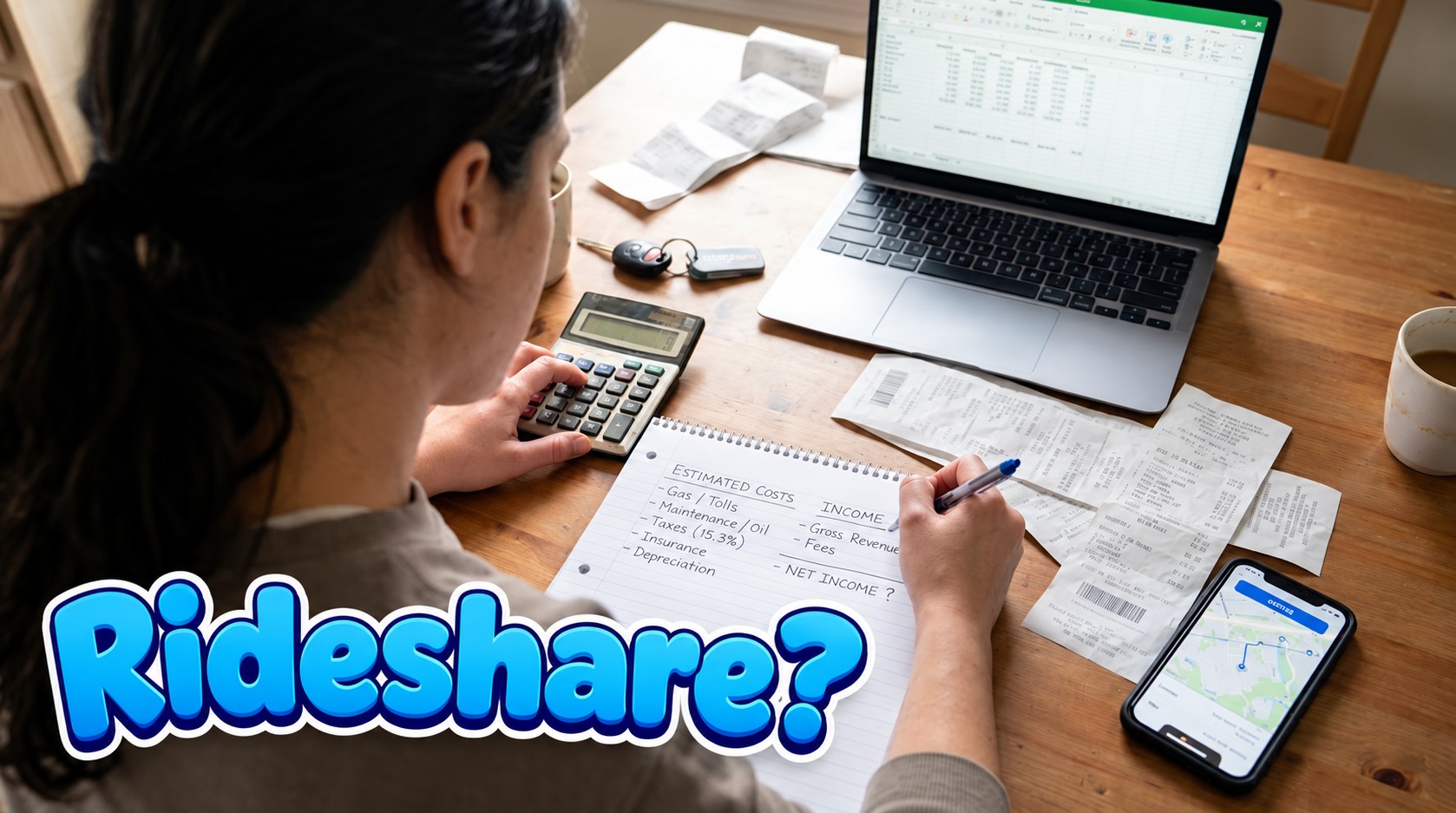
- Gross Revenue vs. Net Profit Gap: Fleet analytics continuously reveal that headline earnings do not represent take-home pay. While gross hourly revenue often averages around $19 to $25 before costs, true net earnings drop once accounting for fuel, commercial insurance riders, and rapid depreciation. One driver cautioned: "In a 12-hour shift, if I'm not picky, I'll drive anywhere between 300–500 miles. I'll let you do the math from there for what you'll pay on gas and maintenance."
- Accelerated Vehicle Wear and Tear: Frequent stop-and-go driving accelerates wear on brake pads, transmissions, and suspension components, while piling thousands of uncompensated "deadhead" miles (driving between drop-offs and pickups) onto personal odometers.
- Unpaid Downtime & Market Saturation: Drivers may only earn when a passenger is in the vehicle or during specific dispatched pickup legs. Too many drivers competing for rides in a metro area cuts ride volume and eliminates surge multipliers, leaving drivers idling unpaid in parking lots.
- Self-Employment Tax and Zero Benefits: As independent contractors, drivers pay the full 15.3% self-employment tax (covering both employer and employee portions of Social Security and Medicare) and receive no paid time off, employer-subsidized healthcare, or workers' compensation.
- Passenger Risk and Safety: Drivers carry the risk of unruly or intoxicated passengers, property damage (such as interior spills or sickness), and traffic accidents during long shifts. Commercial dashcams, interior seat protection, and cleaning kits become mandatory out-of-pocket expenses.
** Please note that, while this blog focuses on rideshares, many of these same pros and cons also apply to delivery driving for companies such as Grubhub, Amazon Flex, and Uber Eats.
At NHSA, our goal is to provide online driver education courses that equip all drivers with what they need to be safe drivers. Whether you are a teen seeking a learner’s permit, or an adult driver seeking a basic driver safety course, check us out online to see what courses are available in your state!
 Safe Driving: Walk Around Before You Roll Out
A person can learn a lot about maneuvering a vehicle from video games, much as a pilot can train on a flight simulator. But one huge step is usually missing from driving games—the few moments that each driver should take outside of their vehicle, before they open the door, plop down into the driver’s seat, and grab the steering wheel.
Yes! Safe driving actually begins as you approach your vehicle. A quick walkaround can help you spot issues that might otherwise become much bigger problems once you start moving. Ask yourself, “Has anything important changed since I parked the car?”
Look around and down
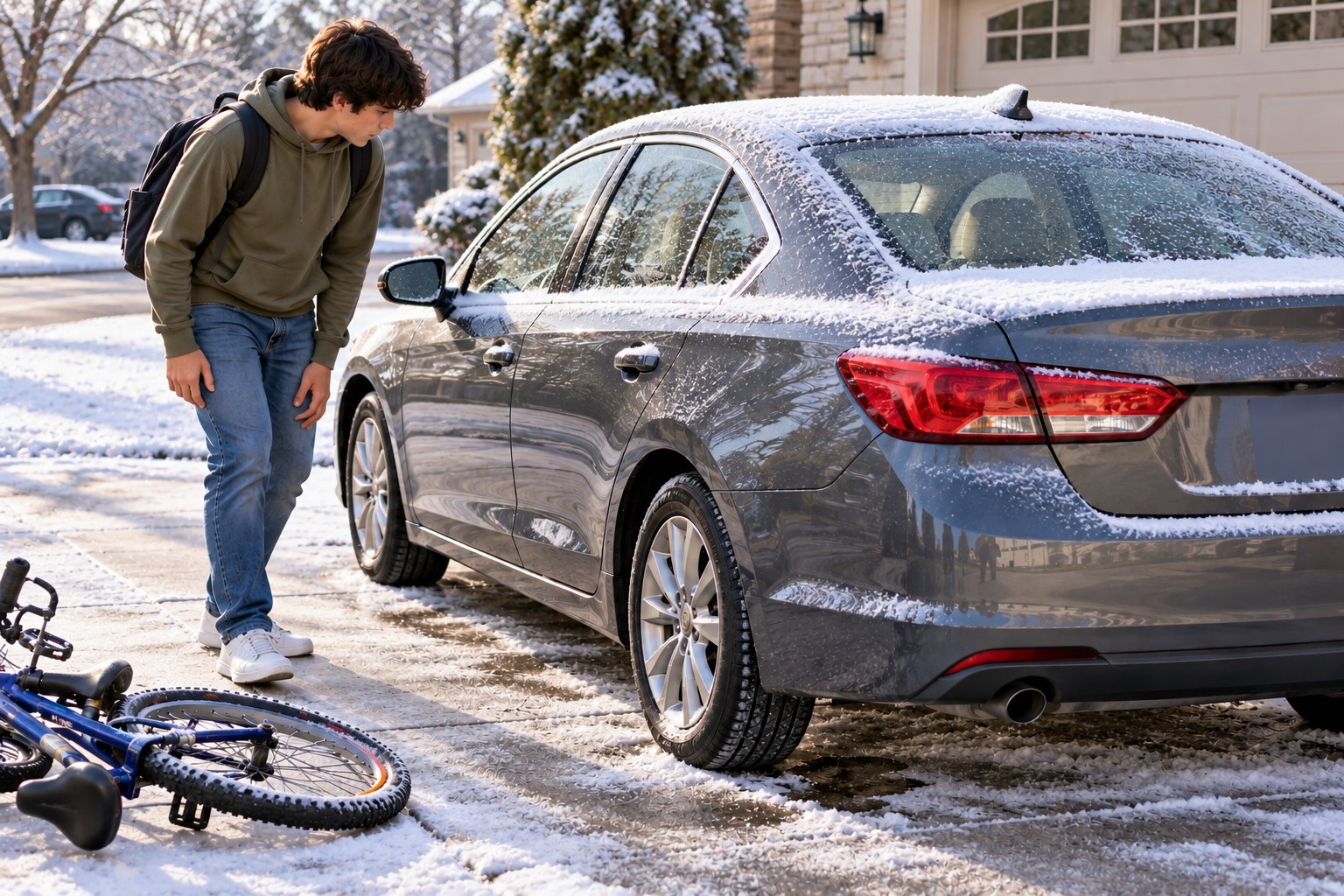
As you walk toward your vehicle, pay attention to the area around it. Look for pedestrians, bicyclists, children, pets, shopping carts, or anything else that could create a hazard when you pull away. For example, did a child leave a bicycle lying in your driveway?
Also take a quick look at the ground beneath the vehicle. Did someone leave a glass bottle near your wheels? Is there broken glass? Is a dog hiding under the car? Is your vehicle leaking? A puddle of water from the air conditioner may be perfectly normal, but a puddle of oil, coolant, or another automotive fluid might require prompt maintenance.
Don’t just check on the driver’s side. You need to see the whole area. Small children, pets, bicycles, toys, low objects, and other hazards can be difficult or impossible to see once you are sitting in the driver's seat. Rearview cameras are extremely helpful, but they shouldn't replace checking the area before you get in.
A quick vehicle walk-around
You don't need to perform a professional vehicle inspection every time you drive, but developing the habit of checking your vehicle will help you to catch problems sooner.
- Tires: Do any look noticeably low or flat? Is there obvious damage?
- Windows and mirrors: Are they clear enough to provide good visibility?
- Lights: Do you notice a broken or damaged light?
- Vehicle damage: Is there new damage you weren't expecting? Hopefully nobody dinged your door with a shopping cart while you were away.
Look inside
Before opening the vehicle, take a quick look through the windows. Check the seats and floor for anything unusual, especially if the vehicle has been parked in a public area or left unattended for a while. Is there a person or an animal lurking in the back seat? If something doesn't look right, don't just open the door and get inside. Move to a safe location and get help if necessary.
How is your vehicle faring in the weather?
Snow, ice, frost, mud, fallen leaves, and even heavy dew can affect visibility. Before driving, clear your windshield, windows, mirrors, headlights, and other areas necessary for safe operation. Don't settle for scraping a tiny viewing hole through an icy windshield. You're driving a car, not looking through a submarine periscope.
If snow has accumulated on the vehicle, remove it from the roof, hood, trunk, lights, and windows so it doesn't slide across your windshield or blow onto other road users once you start moving.
Trunks, backseats, and cupholders
Before getting into the driver's seat, think about what you're putting in the vehicle. Groceries, backpacks, sports equipment, tools, and other loose objects should be placed where they won't interfere with the driver or roll underneath the pedals. Make sure that hanging clothes, such as dry-cleaned items, will not block your view when driving. Heavy items should be secured whenever possible. This may mean taking the time to put them in a trunk or cargo area instead of tossing them on a seat.
And if you're carrying a hot drink, make sure it has a secure place to sit. Don’t try to be a juggler while driving. A sip of coffee can be wonderful. Hot coffee on your lap is very un-fun.
Now you are ready to sit down, fasten your seat belt and perform some pre-start tasks. Remember these walkaround tips each time you walk towards your car. Safe driving before you ever open the driver's door.
At NHSA, our goal is to provide online driver education courses that equip all drivers with what they need to be safe drivers. Whether you are a teen seeking a learner’s permit, or an adult driver seeking a basic driver safety course, check us out online to see what courses are available in your state!
Tips for Finding a Reliable Mechanic
You're driving down the highway and everytime you go over 60 mph you begin to hear an unsettling rattling sound and the car begins to shake. You need your car to get to work and around town, so what now? You need this fixed ASAP.
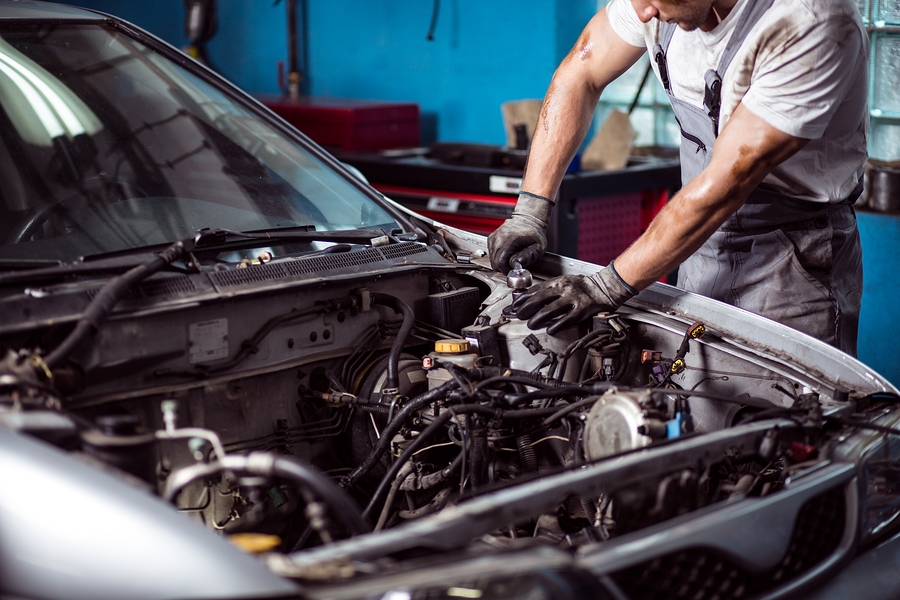
Having a mechanic and owning a car work in tandem. Whether it’s for regular maintenance or emergency issues, finding someone you can trust can make the difference in how much you spend and in how long your car runs. Doing a little research before your check-engine light comes on can save you a lot of stress when it finally does. So is it better to find a backyard mechanic or neighborhood shop or go directly to the dealership? How can you find a reliable mechanic to trust with your new “baby”? Here are some tips.
Backyard/Independent Shop Mechanics
Pros:
- You can build a relationship with the mechanic and receive more personal service.
- A mechanic who knows your car may be familiar with its repair and maintenance history.
- Independent shops may offer more flexible scheduling.
- This often cost less than dealerships.
Cons:
- Independant shops may not have the specialized tools or diagnostic equipment needed for some newer vehicles.
- Smaller operations may have fewer resources or take longer to complete certain repairs.
- Informal backyard mechanics may not offer written warranties or carry liability insurance.
Dealerships
Pros:
- Technicians are trained to work on the manufacturer's vehicles.
- They have access to manufacturer-specific tools, diagnostic equipment, and repair information.
- This is a good choice for recalls, warranty work, and complicated vehicle-specific repairs.
- Dealerships usually offer OEM parts and maintain detailed service records.
Cons:
- Labor and parts are often more expensive than at independent shops.
- Service can feel less personal, and you may not work with the same technician each time.
- They may recommend additional maintenance that isn't necessarily urgent and is costly.
How to find a reliable backyard mechanic/independent shop or dealership
- Ask people you trust about their experiences and recommendations for trustworthy mechanics.
- Read reviews. After comparing available backyard mechanics and dealerships, look for consistent comments about pricing, communication, and quality.
- Get a written estimate before approving expensive repairs. If a repair seems unusually expensive or unclear, get a second opinion.
- Ask whether a recommended repair is urgent, manufacturer-required, or routine maintenance. A trustworthy mechanic should be willing to explain what needs to be repaired, when, and why.
- Ask what type of parts they normally use and whether you have a choice between original-equipment and aftermarket parts.
- Ask about the warranty on parts and labor.
- Make sure the mechanic has the equipment and experience needed for your particular vehicle.
- Keep copies of your service records so you can track your vehicle's maintenance history.
Whether you choose a backyard mechanic, independent repair shop, or dealership, look for someone who does quality work, explains repairs clearly, and charges a fair price.
At NHSA, our goal is to provide online driver education courses that equip all drivers with what they need to be safe drivers. Whether you are a teen seeking a learner’s permit, or an adult driver seeking a basic driver safety course, check us out online to see what courses are available in your state!
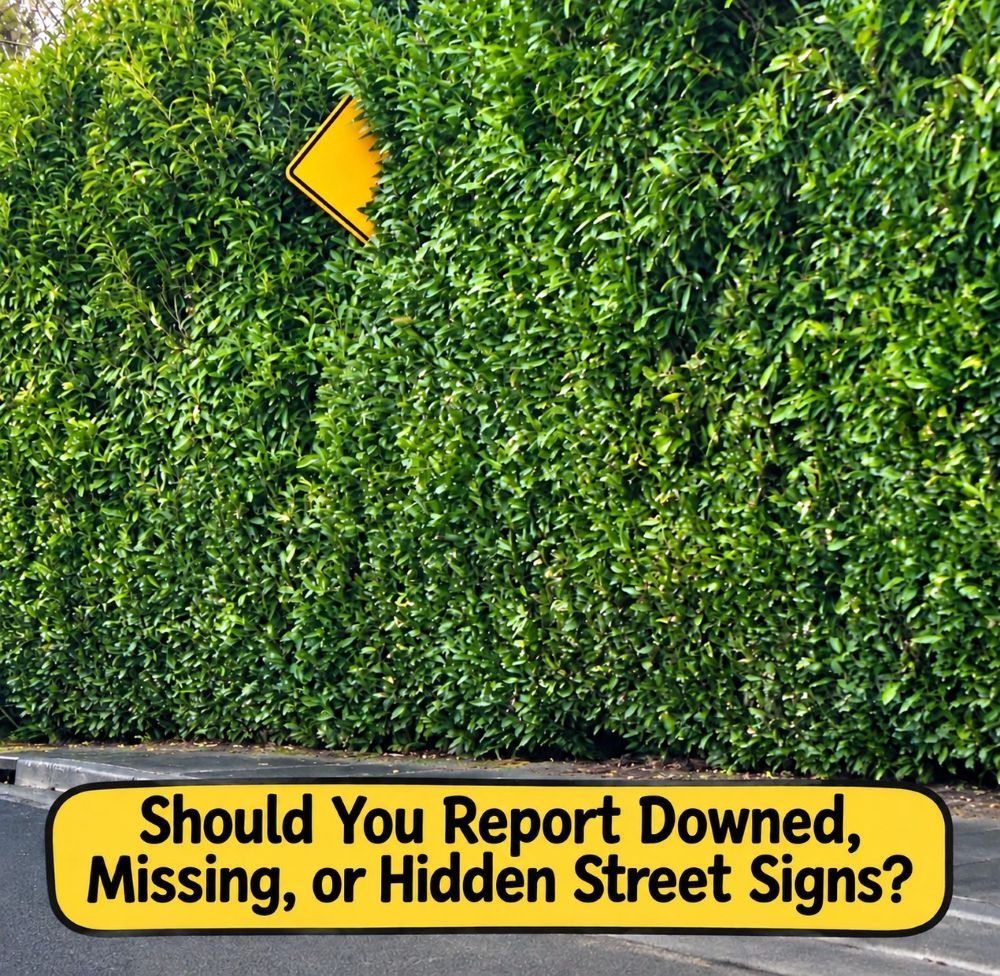
Yes! A missing or hidden street sign is more than an inconvenience—it can be a safety hazard.
In the cartoons, an incorrect or missing direction sign can be hilarious. The unsuspecting traveler follows an arrow, drives straight into a barn, and somehow comes out the other side covered in chickens. In real life, drivers depend on accurate road signs to know where to stop, when to yield, how fast to travel, and where they are going.
Why Reporting a Damaged Sign Matters
Traffic signs are designed to communicate important information quickly. A missing STOP sign could contribute to a serious crash. A knocked-down ONE WAY, DO NOT ENTER, SPEED LIMIT, or warning sign can leave drivers without information they need to make safe decisions.
Even street-name and directional signs are important. They help drivers find their destinations and can also help police, firefighters, ambulance crews, delivery drivers, and others locate an address quickly.
Signs don't have to be completely missing to cause problems. Consider reporting a sign if it is:
Knocked down, missing, or hanging loose.
Turned so that it faces the wrong direction.
Badly bent, damaged, faded, or difficult to read.
Covered by vegetation or another obstruction.
Damaged by a crash, storm, vandalism, or other event.
Blocking the roadway, sidewalk, or bicycle lane.
How Can You Report a Problem With a Sign?
The agency responsible for the sign usually depends on where the road is located and who maintains it. A sign on a city street may be handled by the city's public works or transportation department, while a sign on a county road may be the responsibility of the county. Signs along state highways are generally maintained by the state's transportation agency. Many cities, counties, and state transportation departments have an online form, service-request system, mobile app, or telephone number for reporting damaged traffic signs.
When making a report, provide as much useful information as you safely can. This might include the street or highway name, nearest intersection, direction of travel, type of sign, and a brief description of the problem. A photo can also be helpful when the reporting system allows one. Don't stand in traffic to get the perfect shot. Don’t be unsafe in an effort to promote safety!
A Small Report Can Make a Big Difference
Road crews can't be everywhere at once, so they may not know that a sign has disappeared until someone reports it. Taking a few minutes to report a missing or damaged sign can help get an important traffic-control device repaired or replaced sooner.
At NHSA, our goal is to provide online driver education courses that equip all drivers with what they need to be safe drivers. Whether you are a teen seeking a learner’s permit, or an adult driver seeking a basic driver safety course, check us out online to see what courses are available in your state!
How to Change Wiper Blades
Windshield wipers are one of those car parts you probably don’t think much about—until it starts raining and you realize yours are doing more smearing than wiping. Fortunately, replacing wiper blades is usually a quick and inexpensive DIY job.
Get Familiar With the Parts
Before you start, it helps to know what you’re working with.
- The wiper blade – This is the part that contains the rubber wiping edge that makes contact with the windshield.
- The blade assembly or frame – This supports the rubber wiping element. Traditional wipers have a visible frame, while many newer beam-style blades have a more streamlined design.
- The wiper arm – This is the spring-loaded arm attached to the vehicle. It moves the blade back and forth across the windshield.
How to Remove the Old Blades and Install New Ones
Buy the correct replacement blades. Check your owner’s manual or use a vehicle-fit guide online or at an auto parts store. Keep in mind that the driver’s and passenger’s blades may be different sizes. If you’re unsure, your local auto parts store can usually confirm what you need—and there’s a pretty good chance they’ll have the blades in stock.
- Turn off the vehicle and position the wipers. Some newer vehicles require the wipers to be placed in a special service position before the arms can be lifted away from the windshield. Check your owner’s manual rather than trying to persuade them with brute force.
- Lift the wiper arm away from the windshield. Raise it carefully until you can easily reach the blade and its connector. Don’t force the arm beyond its normal range of movement.
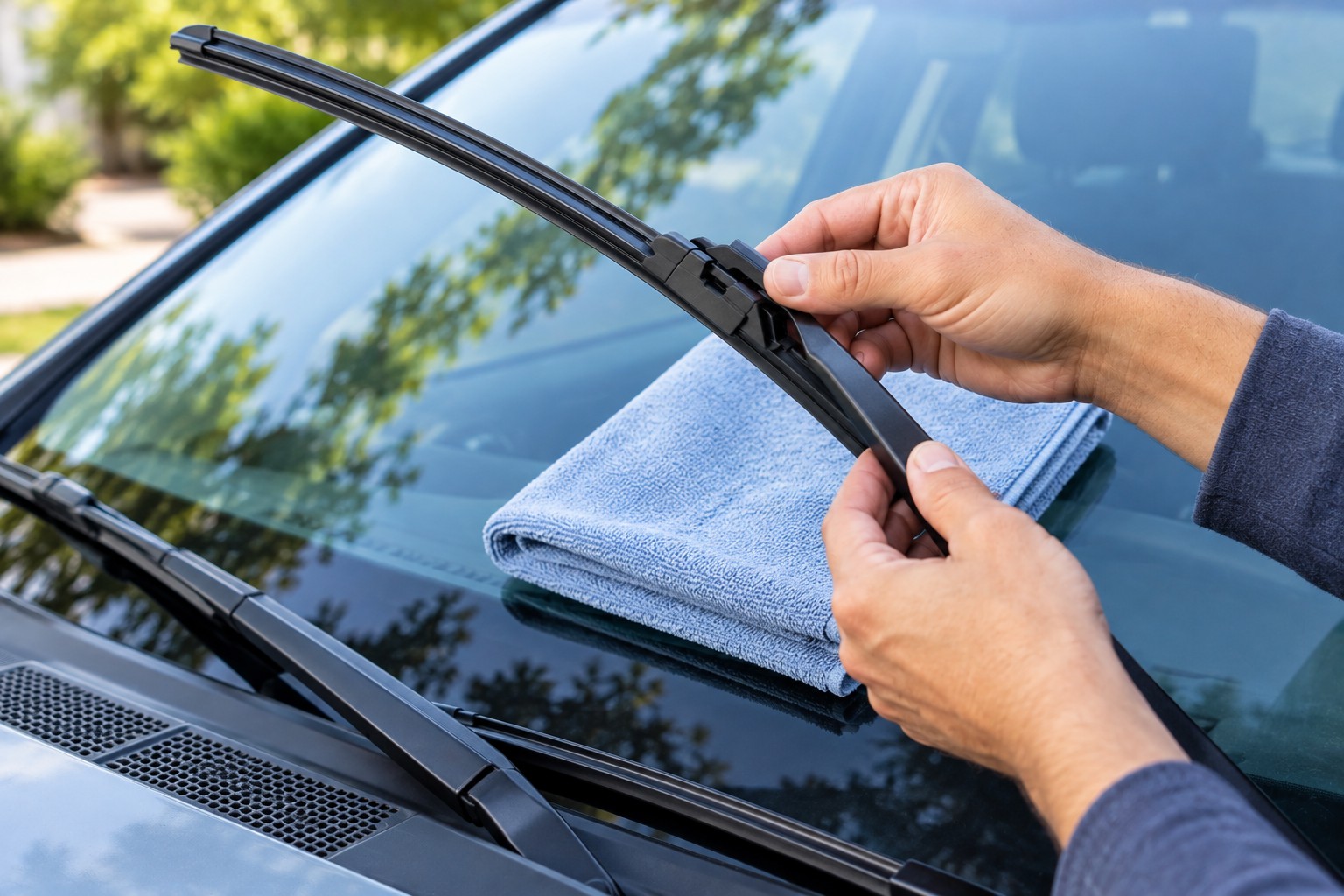
- Protect the windshield. Place a folded towel on the windshield underneath the raised arm. Once the old blade is removed, a spring-loaded wiper arm can snap back against the glass and cause a chip or crack. A towel is considerably cheaper than a windshield.
- Remove the old blade. Find the tab, button, clip, or other connector where the blade attaches to the arm. Release it and slide or pull the blade off. Wiper attachment systems vary, so check the instructions that came with your new blades if the old one seems determined to stay with the car forever.
- Install the new blade. Slide or press the new blade onto the wiper arm until you hear or feel it click securely into place.
- Give it a gentle tug. Make sure the blade is securely attached. Discovering that it isn’t during a downpour is not the preferred testing method.
- Lower the wiper arm carefully. Guide it back onto the windshield rather than allowing it to snap down.
- Test your work. Spray some windshield washer fluid and operate the wipers. The new blades should move smoothly and clear the windshield without excessive streaking, skipping, or chattering.
When Should You Replace Your Wiper Blades?
You don’t necessarily need to wait for a specific date on the calendar. If your wipers are streaking, skipping, chattering, leaving portions of the windshield uncleared, or showing cracked or damaged rubber, it may be time for replacement. Sun, heat, cold, ice, and regular use can all shorten the life of the rubber.
One Important Warning
Never allow a bare wiper arm to snap against the windshield after you remove the blade. The spring-loaded arm can hit the glass hard enough to chip or crack it. Keep control of the arm while you work, and leave a folded towel on the windshield until the new blade is securely installed.
Changing wiper blades isn’t the most glamorous part of vehicle ownership, but the first time you drive through heavy rain with a clean, streak-free windshield, you’ll be glad you spent a few minutes doing it.
At NHSA, our goal is to provide online driver education courses that equip all drivers with what they need to be safe drivers. Whether you are a teen seeking a learner’s permit, or an adult driver seeking a basic driver safety course, check us out online to see what courses are available in your state!
What’s the difference between the Interstate Highway System and U.S. Highways?
You may have been riding on highways for many years without thinking about how the signs change slightly depending on what type of road you are on. If you are taking a long road trip, your travel times could vary drastically depending on which route you choose, so it is good to know your options.
Are you on the Interstate?
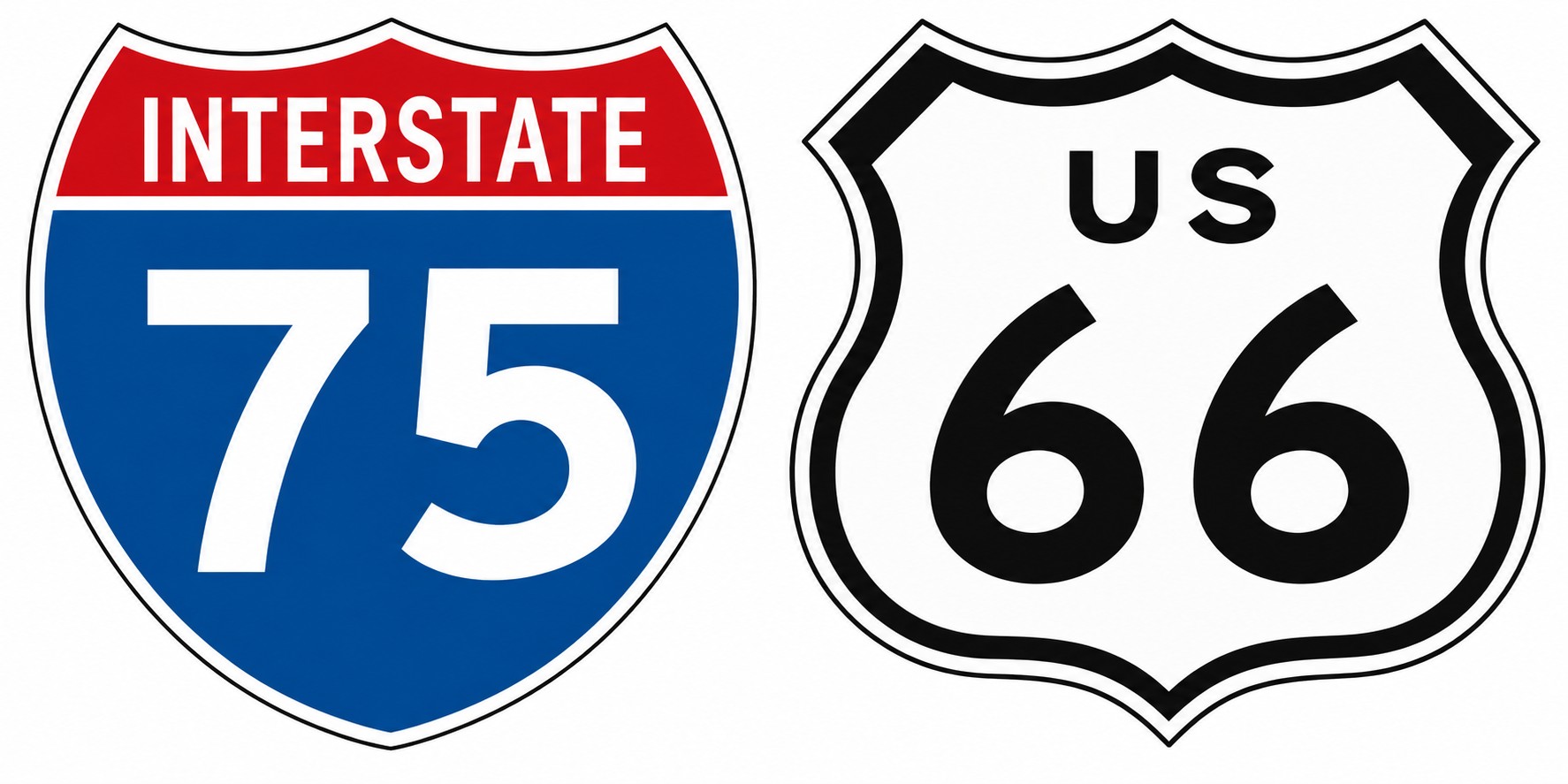
Although many roads are called highways, not all of those roads are part of the Interstate Highway System. A big clue is the route marker. Interstate Highways use the familiar red, white, and blue shield. Some Interstate shields include the word “INTERSTATE” at the top, while others display just the route number within the distinctive red, white, and blue design.
The Interstate Highway System is one of the largest and most important road networks in the world. It includes more than 49,000 miles of highways connecting major cities, states, and regions across the United States. The modern Interstate System took off in 1956, when Congress passed the Federal-Aid Highway Act of 1956, providing funding for construction on an unprecedented scale. The system was designed to help people travel more efficiently, improve safety, support military transportation during national emergencies, and move goods across the country.
What is the difference between an Interstate Highway and a U.S. Highway such as U.S. Route 66?
In addition to the Interstate Highway System, there are other highways that cross multiple states. The U.S Highway System began in 1926, so it predates the Interstate Highway System (1956) by about 30 years. Both are nationwide networks of numbered roads, but they serve slightly different purposes.
Here are some of the key differences:
Access: U.S. Highways can range from ordinary two-lane roads with driveways and intersections to major multilane freeways. A U.S. Highway may have traffic lights, intersections, and even driveways entering onto the highway, whereas Interstate Highways have limited access using entrance and exit ramps instead of intersections.
Purpose: U.S. Highways connect many cities and towns that are not served by Interstate Highways. Interstate Highways are designed for high-speed, long-distance travel.
Sign color: U.S. Highways are identified by a black-and-white shield, while Interstate Highways use a red, white, and blue shield.
Numbering: On Interstate Highways the main east-west routes generally have even numbers increasing south to north; north-south routes have odd numbers increasing west to east. U.S. Highways generally follow a reverse pattern, with even routes increasing north to south and odd routes increasing east to west.
Interesting facts
Alaska, Hawaii, and Puerto Rico all have Interstate Highways, even though they aren't connected to the Interstate Highway System in the continental United States.
There is currently no Interstate 50 or Interstate 60. When Interstate numbers were originally assigned, planners avoided giving an Interstate the same number as a U.S. Highway in the same state, helping prevent confusion between the two systems.
Although Interstate 90 is the longest Interstate Highway (about 3,020 miles), U.S. Route 20 is even longer. It stretches for about 3,300 miles, from Newport, Oregon to Boston, Massachusetts. Route 20 travels through 12 states. That means that if you started with your feet in the Pacific Ocean at Newport, Oregon, and kept following U.S. 20, you'd eventually reach Boston—without ever changing highway numbers. And then, of course, you should dip your toes in the Atlantic Ocean.
At NHSA, our goal is to provide online driver education courses that equip all drivers with what they need to be safe drivers. Whether you are a teen seeking a learner’s permit, or an adult driver seeking a basic driver safety course, check us out online to see what courses are available in your state!
